Technical SEO Audits
Identify technical issues affecting crawling, indexing, URLs, metadata, internal links, performance, and site architecture.
SEO Optimization
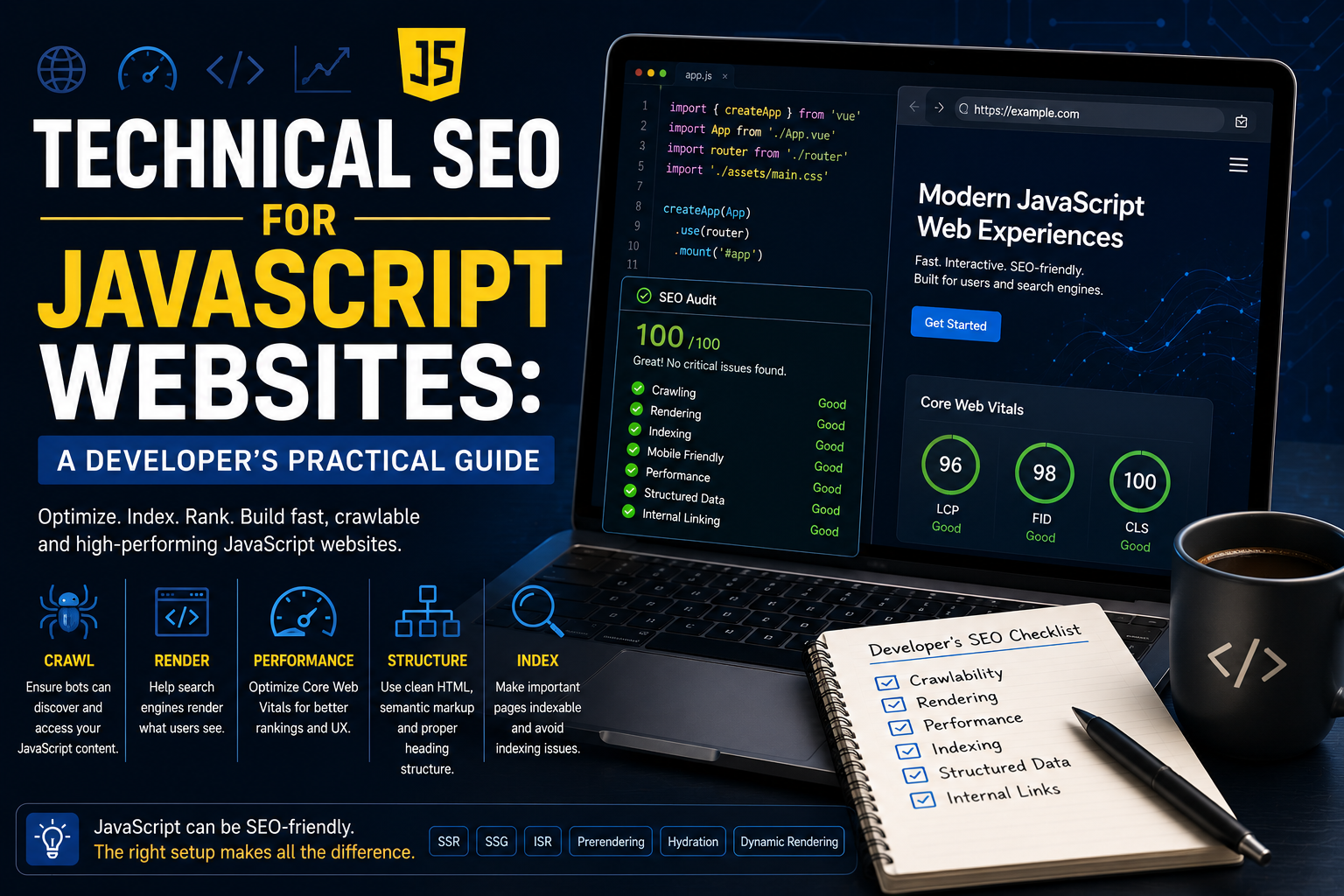
Improve how search engines crawl, understand, and index your website with practical technical SEO focused on performance, site architecture, JavaScript, and organic search visibility.
I help businesses improve the technical foundation of their websites so search engines can crawl, render, understand, and index important content more effectively.
Technical SEO is about more than fixing isolated errors. It involves understanding how a website is structured, how pages connect to each other, how content is delivered, how URLs are managed, and whether search engines can efficiently access the information that matters.
My work covers traditional websites, WordPress websites, SaaS platforms, and modern JavaScript applications built with technologies such as React, Next.js, and Vue.
Because I also work as a software engineer, I can look beyond surface-level SEO recommendations and understand how the underlying code, framework, routing system, APIs, and application architecture can affect search visibility.
I work on the technical foundations that help search engines discover, crawl, understand, and index your website. This includes everything from JavaScript-heavy applications and site architecture to performance, internal linking, metadata, and structured URL structures.
Identify technical issues affecting crawling, indexing, URLs, metadata, internal links, performance, and site architecture.
Find barriers that prevent search engines from discovering, processing, or indexing important pages.
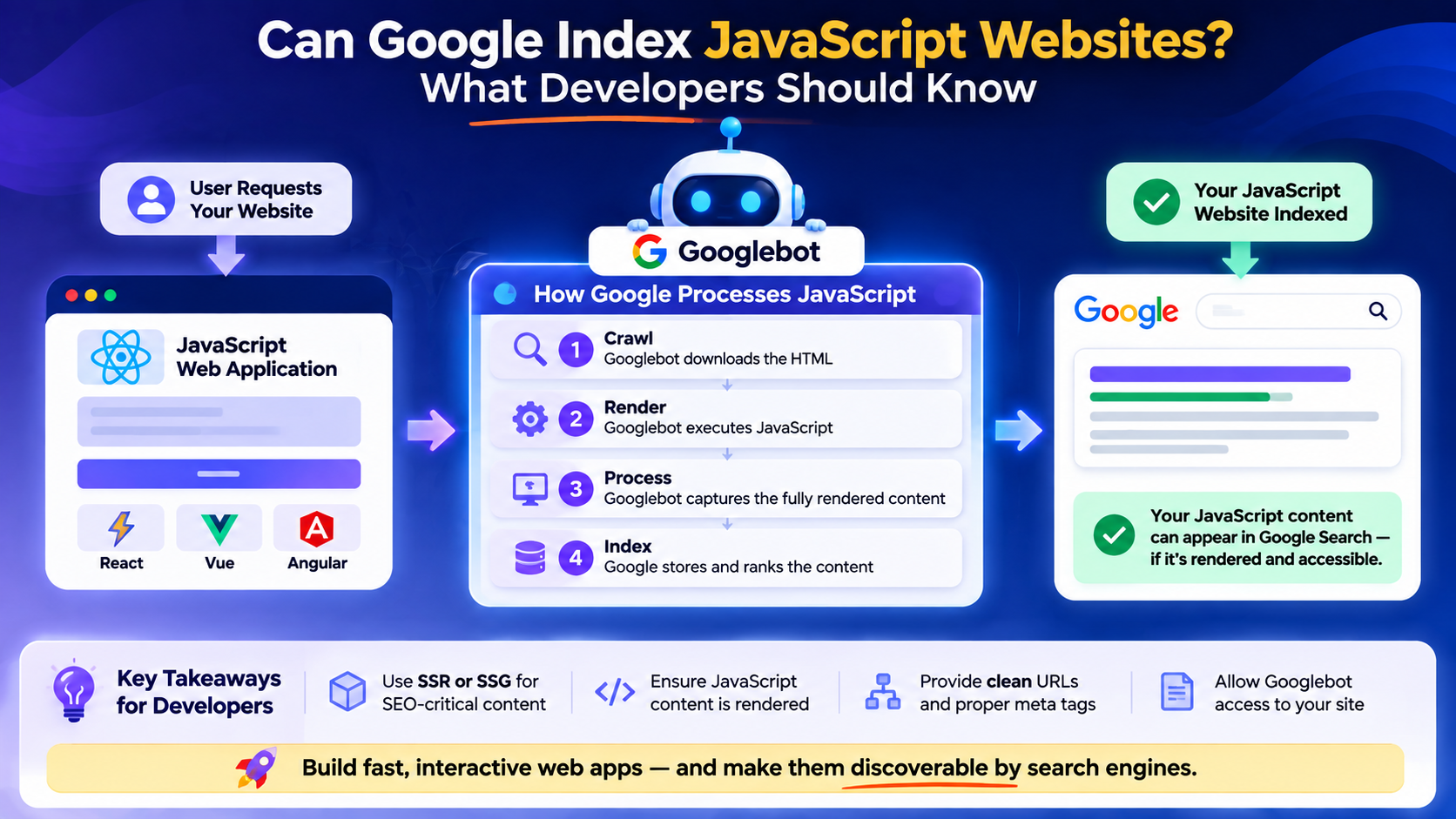
Improve how JavaScript-rendered content, links, metadata, routing, and page structures are processed by search engines.
Improve SEO for React, Vue, Angular, and other SPAs through better routing, rendering, URLs, metadata, navigation, and indexable content.
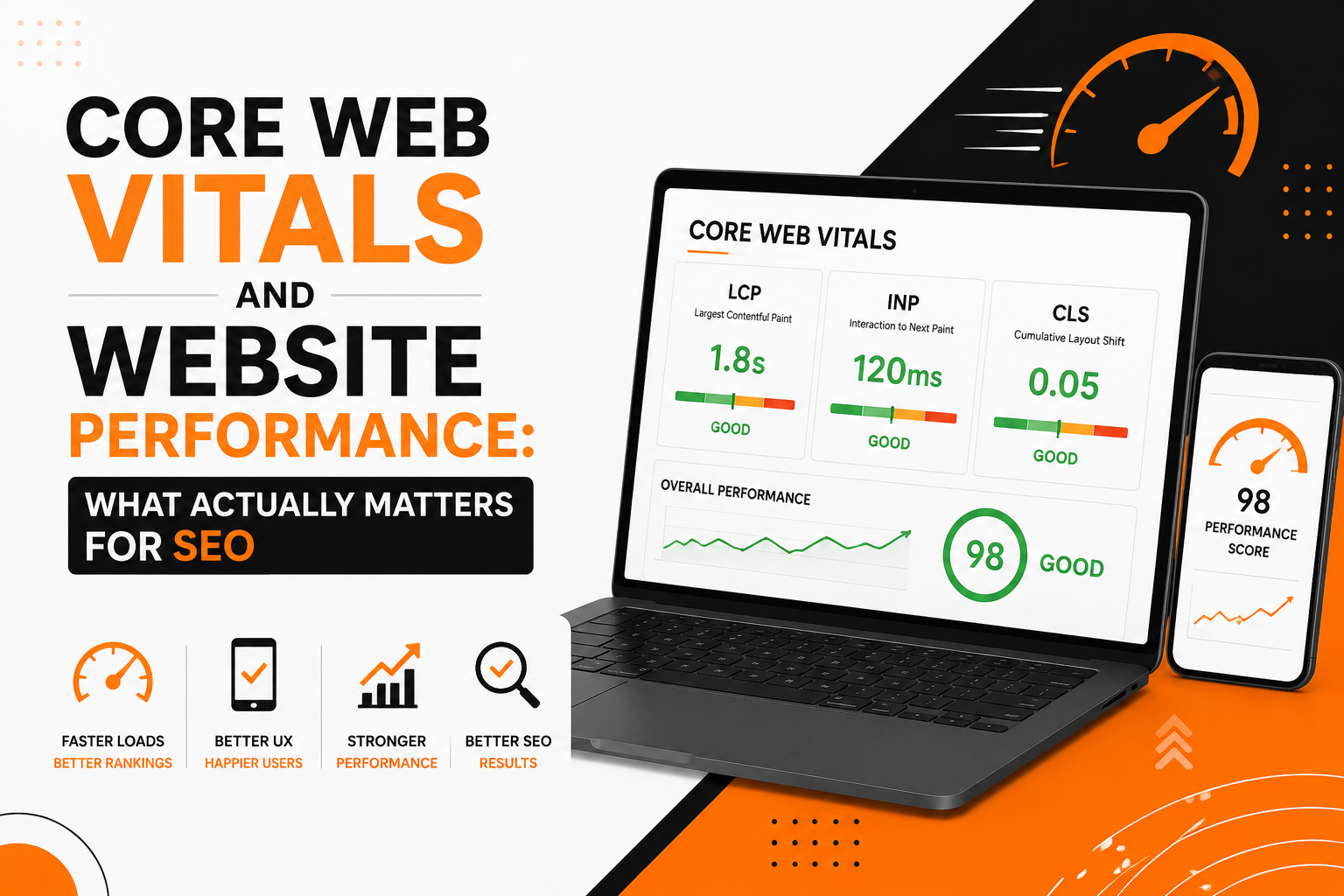
Identify opportunities to improve loading speed, JavaScript execution, rendering, images, assets, and overall page experience.
Create stronger connections between important pages to improve navigation, content discovery, and site structure.
Review sitemap configuration, URL coverage, and discoverability so important pages can be found efficiently.
Develop clearer URL structures and site architectures that support crawling, navigation, content discovery, and organic growth.
Improve titles, headings, descriptions, URLs, content structure, images, and other page-level SEO elements.
Search engines need to access and interpret your website before they can effectively understand its content. Technical SEO helps create the conditions that make this process easier and more reliable.
A website can have valuable content and target relevant keywords, but technical problems may still prevent those pages from reaching their full search potential. Issues involving redirects, duplicate URLs, internal links, JavaScript rendering, site architecture, page performance, metadata, or indexing can all affect how a website performs in organic search.
The objective is not to optimize technical elements simply because they exist. The goal is to remove unnecessary technical obstacles and create a website that works well for both users and search engines.
Modern JavaScript frameworks allow developers to create highly interactive applications that behave more like software than traditional websites. However, the architecture of these applications can introduce additional SEO considerations.
SEO for single-page applications requires attention to routes, URLs, page content, metadata, internal navigation, rendering, and how important information becomes available to search engines.
My software engineering background allows me to approach these issues from both sides: understanding what search engines need while also understanding how the application itself is built.
WordPress provides a flexible foundation for publishing content, but its SEO performance still depends on how the website is configured and maintained. Themes, plugins, templates, URLs, redirects, images, scripts, and content structure can all influence the technical quality of a site.
I can review WordPress websites for technical SEO issues involving site structure, indexing, internal linking, metadata, XML sitemaps, performance, duplicate content, redirects, and other areas that can affect organic visibility.
The goal is to keep the website technically clean while ensuring the SEO recommendations work with the way the website is actually being used and maintained.
I don't approach technical SEO as a checklist where every possible issue receives the same level of attention. I focus on understanding the website first, then prioritizing the problems and opportunities that are most relevant to its goals.
This involves looking at the website's architecture, content, URLs, crawling and indexing signals, internal linking, performance, and technical implementation.
When development changes are required, my experience with Laravel, PHP, JavaScript, React, Next.js, Vue, Node.js, Python, WordPress, APIs, databases, AWS, and Docker makes it possible to connect SEO recommendations with the underlying technology.
Review the website structure, content, URLs, performance, crawling, indexing, and other technical SEO signals.
Investigate the underlying causes of technical SEO issues instead of only documenting their symptoms.
Separate high-impact problems from lower-priority improvements and establish a practical implementation path.
Implement or guide technical improvements and use search and performance data to evaluate progress.
Practical insights on technical SEO, JavaScript, performance, and search-friendly websites.
A technical SEO audit can examine crawling, indexing, URL structures, redirects, canonical URLs, internal links, XML sitemaps, metadata, page performance, JavaScript rendering, site architecture, and other technical factors that influence organic visibility.
Yes. I can review routing, JavaScript rendering, metadata, URLs, internal navigation, content accessibility, and other technical factors that influence the search visibility of a single-page application.
Search engines can process JavaScript, but the way a website renders and exposes its content still matters. Technical implementation can affect how efficiently pages are discovered, rendered, and indexed.
Yes. Technical SEO for WordPress can include site structure, performance, indexing, URLs, internal linking, XML sitemaps, metadata, redirects, and other technical aspects of the website.
Yes. A technically sound foundation can make it easier for search engines to discover and understand a website as its content and organic visibility grow.
If your website has indexing problems, JavaScript SEO challenges, performance issues, or you want to build a stronger technical foundation for organic search, I can help identify the opportunities and practical next steps.
Get in Touch